
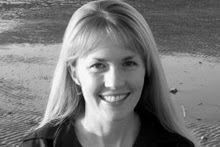
Kery Mukulski: A three-sport athlete in high school and two-sport athlete in college back when softballs were white, Keri worked as a personal trainer, lifeguard, registered nurse, middle school teacher, and high school coach. As an author, she set out to reach athletic students and finally give sporty girls the books they’ve been waiting for.

Stacy Nyikos started off writing a trio of picture books before deciding to take on the challenge of a novel--Dragon Wishes (I got a signed copy and it's sitting pretty close to the top of my TBR!) Next up? A YA novel called Pelorus Jack.
 Barrie Summy grew up in Canada on a steady diet of books and tobogganing. She tries to read a book a week and always breaks for tea and cookies at three o'clock. She also cannot have licorice in the house. Or white cheddar cheez-it crackers. Because she won't stop eating them.
Suzanne Morgan Williams has traveled four times to the Canadian Arctic to work with Inuit people, writing The Inuit Franklin Watts, 2003, and has worked with Indian people from various tribes on books and projects. She is known for careful on site research, which for Bull Rider included interviewing professional bull riders, ranchers, and care givers who work with severely wounded veterans.
So with these notes, you'll notice I took a LOT at first and then not so much by the end. Everything was really interesting, but my hand was cramping up like whoa! I type all the time--I do not take notes all the time. So I was really just listening by the end. If you want to know more about the authors' processes who I didn't take as many notes on (especially Suzanne and Barrie), please check out their websites! They were so nice and really interesting!
Stacy was up first. She spoke about her three world building stages:
FIRST: Research. (Emotions/bare bone setting )Figure out the rules of the game. When she was starting Dragon Wishes she had to decide a lot before even starting to write. In her new world, could dragons fly? Speak? Talk to humans? What was the climate, etc. When you make the rules--NEVER break them.
SECOND: Detailed Research. Knock out the details to make sure everything is believable. What are the setting details?
THIRD: Catch the Howlers. Mistakes. What absolutely doesn't work? What did you get wrong that will make what you've written hard for a reader to believe?
The piece of advice I absolutely LOVED that Stacy gave was this: Give your imagination full reign before you worry about the details. Because it's SO true. Don't stunt the creativity of your story by focusing on the hows or whys at first. Hammer those out AFTER.
PJ spoke next about the research she does while building her worlds. Her main point was that writers should GET OUT and feel the world they want to write. She's even (SHUDDER) held a tarantula and a scorpion for research. She does onsite research. To better understand how they work for her story, PJ's visited sewage treatment facilities and recycling plants.
Find cool places and take pictures. Take it all in. Remember what it looks like. What it smells like. What it sounds like.
The three things a writer should always have?
- A notebook for notes
- A camera
- An open mind
Keri was up next. She mentioned that she lived on the Jersey Shore. I wanted to ask her if she knew The Situation (GTL baby!) but I held back when I remembered that my own friends and family from the Shore don't really think I'm funny when I ask them the same thing.
Anyway. Keri writes sports into stories because, growing up an athlete, she wasn't ever able to relate to characters in books, so she wants to give today's athletic students more of an incentive to read. I think what she does is really cool--especially as a former middle school/high school teacher, I know there are sporty students who would love to read her books. Because, as Keri stated, it's not that athletes don't want to read--it's that there aren't a ton of fiction books out there featuring athletes as main characters, with sports playing a major part in the plot.
Here is a list of things to consider if you're writing a sporty book:
- KNOW THE SPORT. Either play it or confer with an expert. Because if you don't? Your readers will know in an instant.
- Keep it action packed and fast paced.
- And as with other books:
- Have plots and subplots
- A distinguished Voice
- Theme
- Characterization
Suzanne spoke next about the differences between physical landscapes and emotional ones. She made the excellent point that details are what make your fiction believable. For her book, Bull Rider (about how one boy and his family deal with the loss and grief brought on by war), she did a LOT of research. Including learning about TBI (Traumatic Brain Injury) and soldiers who come home from the Iraq war suffering from it.Did you know that there are 160,000 of them? That number threw me for a huge loop.
And Barrie spoke at the end. She writes humorous Middle Grade mystery books. She spoke a lot about how settings play a role in her stories. She always makes sure that her settings play a part in the mystery clues. She uses a poster board, divided into chapters, to keep everything straight. I wish her books had been around when I was in middle school because from the Voice in the titles alone, I know I would have loved them! Um, hello: I So Don't Do Spooky. Sounds just. Like. Me.
Okay so that's all for today. Tomorrow will be my last post on the VA Festival of the Book--but it's a good one! Everything I learned from the Agent Roundtable I went to...
♥ me


